Cross Symbol in Tarot and Christianity: Origins and Spiritual Meaning
- Know Thyself
- Mar 10
- 4 min read

Updated: Mar 26
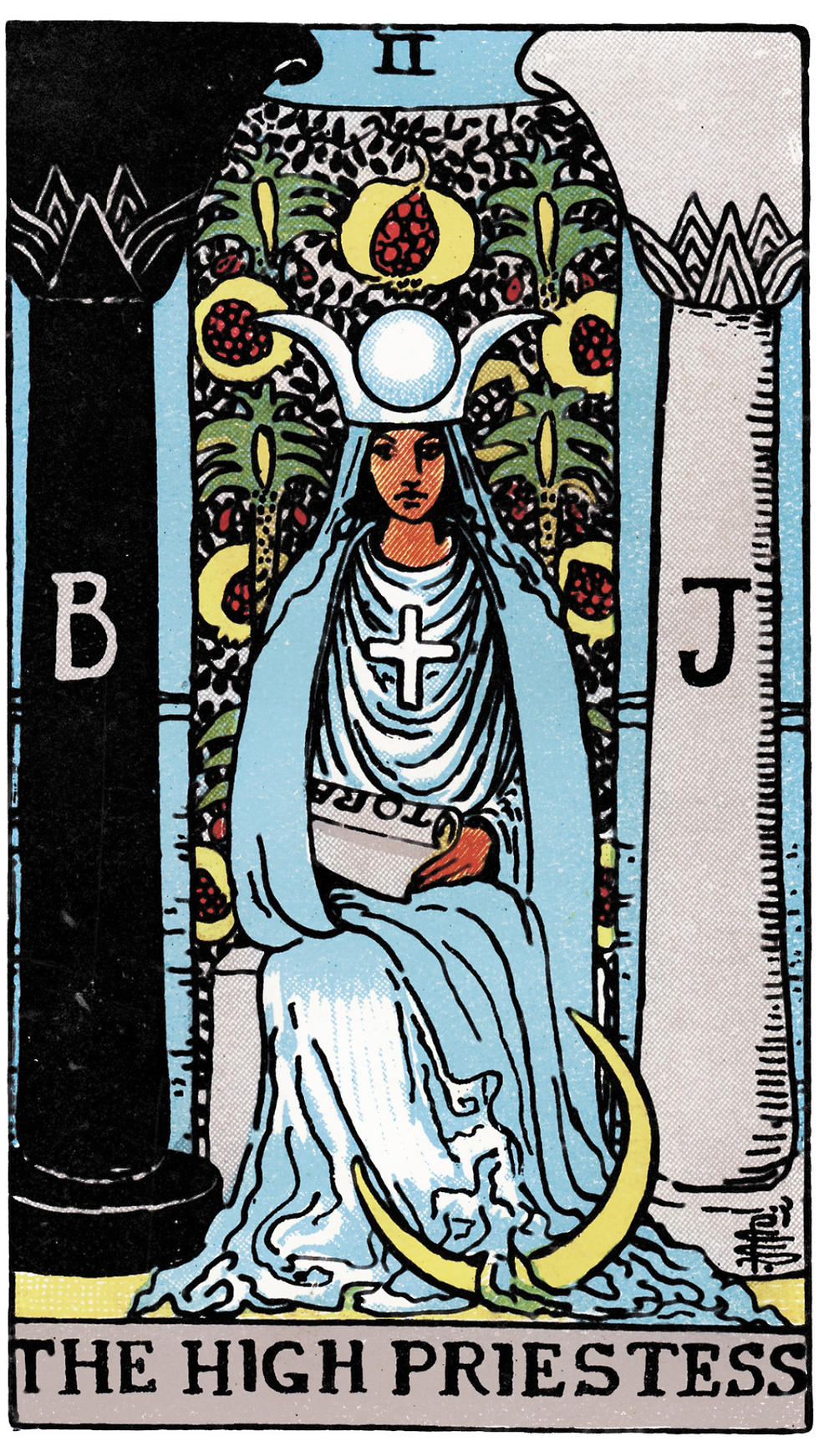
The cross symbol is one of the most recognizable religious symbols in Western culture. It is strongly associated with Christianity, yet its visual form and symbolic meaning existed long before the rise of the Christian church. When tarot developed in Renaissance Europe, these earlier symbolic traditions merged with Christian mysticism, philosophy, and esoteric ideas.

Understanding how the cross appears in tarot symbology requires looking at three layers:
The ancient history of the cross symbol
Its central role in Christian theology
Its reinterpretation in tarot imagery and spiritual symbolism
1. The Ancient Origins of the Cross Symbol
Long before Christianity, cross-like shapes appeared in many cultures as cosmic or life symbols. Scholars studying ancient iconography often describe the cross as a simple geometric pattern that represents intersections or balance.
Common meanings in ancient cultures
Across ancient civilizations, cross forms represented ideas such as:
the intersection of heaven and earth
the four directions or elements
cycles of life, death, and rebirth
cosmic balance or order
For example:
The ankh in ancient Egypt resembled a looped cross and symbolized life and immortality.
Some early Greek religious traditions associated cross-like shapes with life, death, and rebirth in cosmological symbolism.
These earlier meanings help explain why the cross became a powerful symbol later in Christianity.
2. Why the Cross Became Central in Christianity
In Christianity, the cross refers primarily to the crucifixion of Jesus Christ. According to Christian theology, Jesus was executed by crucifixion under Roman authority, and believers interpret this event as the foundation of salvation and redemption.
Because of this narrative:
the cross represents Christ himself
it symbolizes sacrifice and redemption
it also signifies faith and spiritual transformation
Encyclopedia Britannica notes that the cross became the principal symbol of the Christian religion, recalling the crucifixion and its theological meaning. Interestingly, the symbol was not immediately used openly by early Christians. Earlier symbols such as the fish (Ichthys) were more common during periods of persecution. Over time, however, the cross became the dominant visual emblem of the faith.
3. Christian Mysticism and Symbolic Geometry
In Christian mystical thought, the cross is often interpreted symbolically:
Vertical axis
connection between earth and the divine
Horizontal axis
the human world and relationships
Where the two lines intersect represents the human being situated between material life and spiritual reality. This interpretation influenced later spiritual symbology, including hermetic philosophy and esoteric traditions that later shaped tarot imagery.
4. The Birth of Tarot and Christian Influence
Tarot cards originated in 15th-century Europe, primarily Italy, as playing cards. Over time they gained symbolic and mystical interpretations. Because tarot imagery developed in a Christian cultural environment, many cards reflect Christian imagery or church structures. One example is the card known as The Hierophant, originally depicted as a pope-like religious authority figure.
This connection explains why cross symbolism appears in several tarot cards.
5. Where the Cross Appears in Tarot Symbology
The cross does not appear everywhere in tarot, but it appears in several key places.
1. The Hierophant (Major Arcana V)
In many tarot decks, especially the Rider–Waite–Smith deck, the Hierophant holds a triple cross staff similar to a papal cross.
This symbol represents:
religious authority
sacred tradition
spiritual teaching
The card reflects institutional religion and spiritual lineage, themes strongly tied to Christian mysticism.
2. The Hanged Man (Major Arcana XII)
The figure in the Hanged Man card often hangs from a wooden structure forming a T shape, similar to the Tau cross. The Tau cross is an ancient symbol shaped like the Greek letter tau and later associated with Christian saints such as Anthony of Egypt.
In tarot interpretation, the Hanged Man represents:
sacrifice
surrender
gaining wisdom through a new perspective
Many tarot historians also connect this imagery with mythic self-sacrifice traditions such as Odin hanging from the world tree for knowledge. Because Christianity deeply influenced medieval symbolism, the card is often interpreted as echoing Christ-like sacrifice or spiritual transformation.
3. Structural Cross Patterns in Tarot Layouts
In tarot practice, cross shapes appear not only in card imagery but also in reading spreads. A well-known example is the Celtic Cross spread, where cards are laid out in a cross formation.
Symbolically this layout represents:
the intersection of forces affecting the situation
the present moment where opposing influences meet
the meeting point of fate, choices, and circumstances
This reinforces the cross as a symbol of intersections and spiritual insight.
6. Why the Cross Works So Well as a Tarot Symbol
From a symbolic perspective, the cross works because it visually expresses a basic human idea: two forces meeting.
In tarot interpretation the cross can represent:
material vs spiritual life
action vs surrender
tradition vs transformation
the present moment where choices intersect
This dual-axis symbolism aligns closely with the philosophical themes that tarot explores.
Key Takeaway
The cross symbol in tarot symbology is not simply borrowed from Christianity. Instead, it reflects several overlapping traditions:
Ancient cross symbols representing cosmic balance and life cycles
Christian theology, where the cross symbolizes sacrifice and redemption
Esoteric and mystical interpretations that see the cross as the intersection of spiritual and material worlds
Tarot inherited these meanings and adapted them into visual archetypes that explore spiritual transformation and human experience.
Join the Tarot Circle Workshop
If you feel curious about tarot or want to explore it in a deeper and more meaningful way, you are welcome to join The Tarot Circle Workshop.
The Tarot Circle is a relaxed and supportive space where we explore tarot beyond surface-level interpretations. Instead of simply memorizing meanings, we focus on learning how to read the cards with clarity, intuition, and understanding.
During the workshop, we explore:
How to interpret tarot with confidence
The symbolism and visual language within the cards
Practical reading techniques
How tarot can support reflection, insight, and self-awareness
The Tarot Circle is open to both beginners and experienced readers who want to deepen their relationship with tarot in a thoughtful and grounded way. ✨ If you would like to explore tarot in a more interactive and supportive environment, you are welcome to join the next Tarot Circle workshop.


Comments