The Most Popular Theories and Books About Death (and What They Have in Common)
- Know Thyself
- Mar 17
- 5 min read

Updated: Mar 26
Why Death Theories Matter
Every culture, religion, and scientific field has tried to answer one core question: what happens after death? But beneath that question lies a more practical one:
How do our beliefs about death shape the way we live?
Whether someone believes death is the end, a transition, or an illusion, that belief quietly influences their choices, fears, relationships, and sense of meaning. This guide breaks down the most influential theories of death, the books behind them, and the surprising patterns they all share.
The Major Theories of Death
1. Death as Finality (Materialism / Neuroscience)
Core Idea (Simple Explanation)
Death is the complete end of consciousness. When the brain stops functioning, the “self” disappears. Think of it like a computer shutting down. No processing, no memory, no awareness.
Key Thinkers & Books
Epicurus — argued death is nothing to fear because we never experience it
Daniel Dennett — Consciousness Explained
Sam Harris — Waking Up
Modern Interpretation
Neuroscience links consciousness to brain activity. When neural processes stop, awareness ceases.
Strengths
Strong empirical grounding
Consistent with modern science
Avoids speculation
Limitations
Cannot fully explain subjective experience (the “hard problem” of consciousness)
Emotionally difficult for many people
Leaves meaning entirely human-made
2. Rebirth / Reincarnation
Core Idea
After death, consciousness continues in a new form or body. Like changing clothes, the “self” persists but takes on a new identity.
Key Traditions & Texts
Bhagavad Gita
Tibetan Book of the Dead
Ian Stevenson — research on past-life memories
Modern Interpretation
Some researchers study children reporting past-life memories, though evidence remains debated.
Strengths
Provides continuity and moral framework (karma)
Reduces fear of death as an “end”
Explains personality differences through past lives
Limitations
Lacks strong scientific consensus
Cultural dependence
Mechanism of transfer is unclear
3. Non-Duality (Dissolution into Unity)
Core Idea
The individual self is an illusion. At death, you don’t “go” anywhere, you merge back into a unified reality. Like a wave returning to the ocean.
Key Thinkers & Books
Alan Watts — The Book: On the Taboo Against Knowing Who You Are
Nisargadatta Maharaj — I Am That
Modern Interpretation
Linked to consciousness studies and some interpretations of quantum philosophy, though often speculative.
Strengths
Removes fear by dissolving the idea of a separate self
Philosophically elegant
Found across multiple traditions
Limitations
Difficult to verify or falsify
Abstract and hard to grasp
Can feel detached from everyday human concerns
4. Afterlife Judgment (Heaven / Hell Models)
Core Idea
After death, individuals are judged and sent to a form of reward or punishment.
Key Texts & Thinkers
The Bible
Qur'an
Thomas Aquinas
Modern Interpretation
Often interpreted psychologically as symbolic representations of moral consequence rather than literal places.
Strengths
Strong moral structure
Provides justice framework
Social cohesion through shared belief
Limitations
Fear-based for some individuals
Depends heavily on faith
Conflicting versions across religions
5. Psychological / Existential Approaches to Death
Core Idea
The meaning of death is not about what happens after, but how humans cope with the awareness of mortality.
Key Thinkers & Books
Ernest Becker — The Denial of Death
Irvin D. Yalom — Staring at the Sun
Martin Heidegger — Being and Time
Modern Interpretation
Psychology explores fear of death as a driver of behavior, identity, and culture.
Strengths
Grounded in observable human behavior
Highly practical
Helps reduce anxiety and improve well-being
Limitations
Does not answer what actually happens after death
Focuses on experience, not metaphysics
6. Near-Death Experience (NDE) Theories
Core Idea
People who come close to death report similar experiences:
Leaving the body
Moving through a tunnel
Encountering light or beings
Key Researchers & Books
Raymond Moody — Life After Life
Bruce Greyson — NDE research
Modern Interpretation
Two main explanations:
Brain-based hallucinations under stress
Possible evidence of consciousness beyond the brain
Strengths
Consistent reports across cultures
First-person experiential data
Limitations
Occur under extreme conditions
Difficult to test scientifically
Interpretations vary widely
Common Themes Across Death Theories
Despite their differences, these perspectives share striking similarities:
1. The Question of the “Self”
Is the self the brain, a soul, or an illusion?
Every theory defines identity differently
2. Fear of Non-Existence
Even theories that deny fear (like materialism) exist in response to it
Psychology shows this fear shapes behavior deeply
3. Death: Ending or Transition?
Materialism: end
Reincarnation / religion: transition
Non-duality: transformation of perspective
4. The Limits of Evidence
Science struggles to measure subjective experience
Spiritual traditions rely on belief or introspection
No theory is fully provable
5. The Role of Story and Meaning
Humans create narratives to make death understandable
These stories help reduce uncertainty
Practical Implications: How These Theories Shape the Way We Live
Your beliefs about death directly influence your life decisions:
If Death Is Final
Focus on legacy and impact
Value time more intensely
Seek meaning in the present
If Life Continues (Reincarnation / Afterlife)
Emphasis on morality and long-term consequences
Greater acceptance of death
Focus on spiritual growth
If the Self Is an Illusion
Less attachment to ego
Reduced fear of loss
Emphasis on presence and awareness
If Death Creates Anxiety (Psychological View)
People seek:
Achievement
Belonging
Symbolic immortality (family, work, art)
Key Takeaways
There is no single agreed-upon answer to what happens after death
Theories fall into a few main categories: finality, continuation, unity, judgment, psychology, and experience
Every theory attempts to define:
What the self is
Whether consciousness continues
Fear of death is a central driver across all perspectives
Most importantly:
Beliefs about death shape how people live, prioritize, and find meaning
Final Reflection
You don’t need to fully commit to one theory to benefit from understanding them.
A better question might be:
Which perspective on death helps you live more honestly, intentionally, and fully?
Because in the end, every theory about death is also a theory about life.
Join the Tarot Circle Workshop
If you feel curious about tarot or want to explore it in a deeper and more meaningful way, you are welcome to join The Tarot Circle Workshop.
The Tarot Circle is a relaxed and supportive space where we explore tarot beyond surface-level interpretations. Instead of simply memorizing meanings, we focus on learning how to read the cards with clarity, intuition, and understanding.
During the workshop, we explore:
How to interpret tarot with confidence
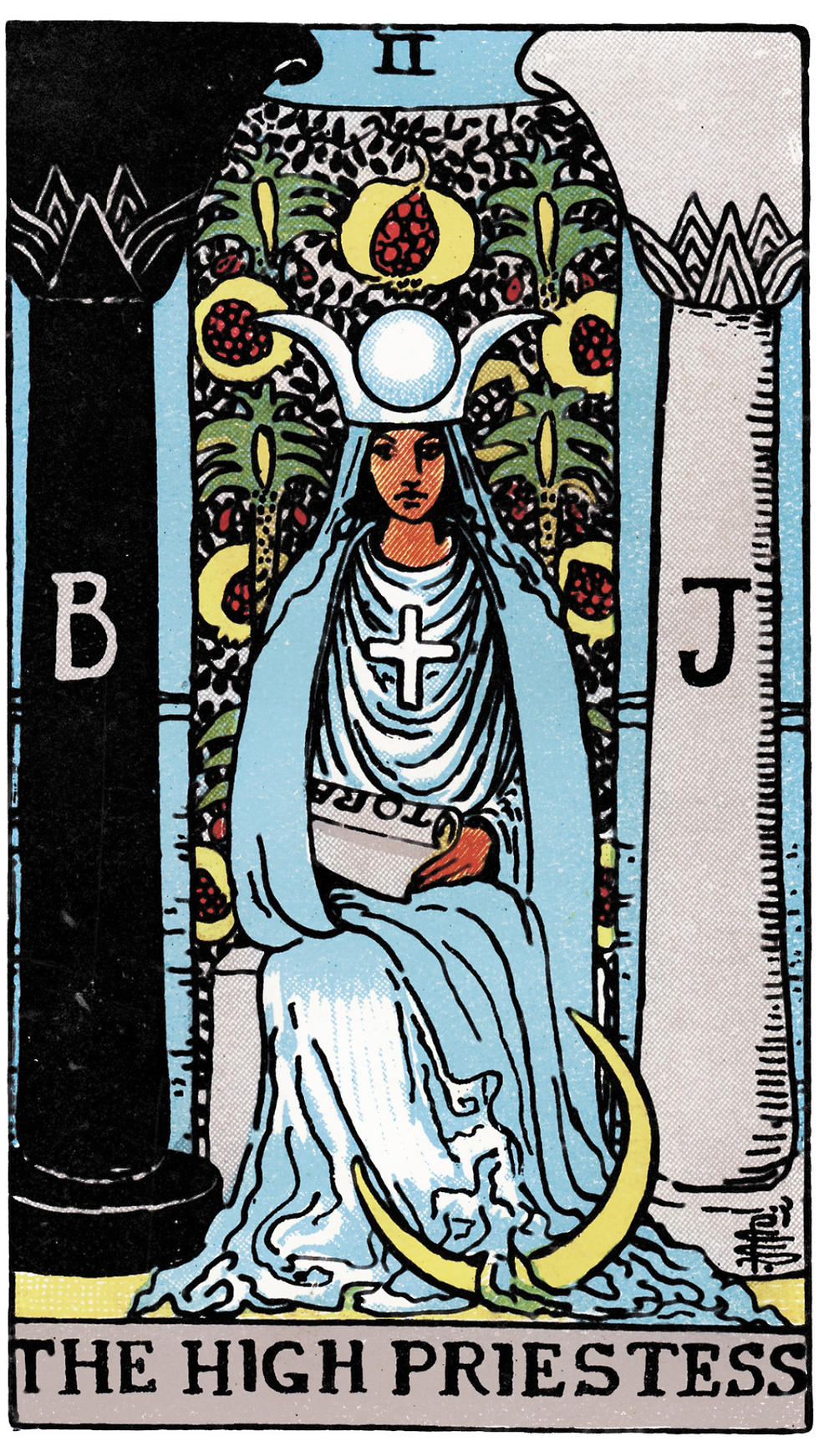
The symbolism and visual language within the cards
Practical reading techniques
How tarot can support reflection, insight, and self-awareness
The Tarot Circle is open to both beginners and experienced readers who want to deepen their relationship with tarot in a thoughtful and grounded way. ✨ If you would like to explore tarot in a more interactive and supportive environment, you are welcome to join the next Tarot Circle workshop.


Comments